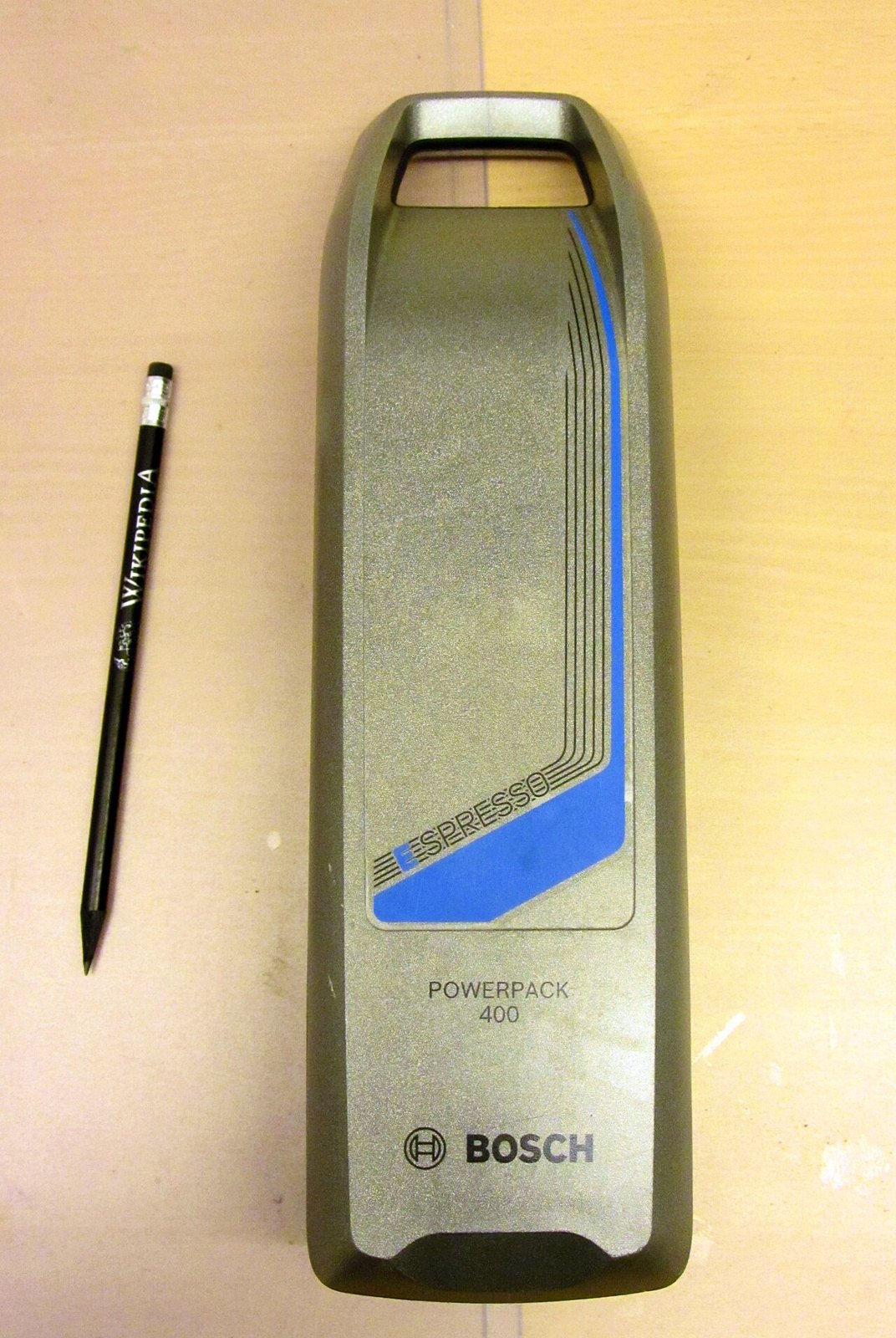
A fixed distance per battery charge sounds convenient, but has limited value for planning a particular e-bike ride. Wind, assistance level, load, surface and temperature change energy demand. Bosch explicitly identifies these influences. On a Lower Rhine outing, the difference between an easy outward leg and a possible headwind return is especially relevant. A range display should support a decision rather than determine the circuit by itself.
Begin with your own comparison rides
For several familiar rides, record distance, starting and finishing charge, assistance level and broad conditions. A lightly loaded journey in calm weather is not directly comparable with a loaded ride on an exposed dyke. The closer the conditions, the more useful the experience. One exceptionally economical outing should not become the assumed norm.
If the display provides only broad bars, the analysis is equally approximate. Do not pretend it supports consumption figures to decimal places. Remaining bars may disappear at different rates, and the estimate adjusts during the ride. Work with a range rather than an apparently precise remaining distance.
Distinguish watt-hours from kilometres
Battery capacity is commonly expressed in watt-hours. This measures energy, not distance. An illustrative calculation with invented values shows the relationship: 500 usable watt-hours at an actual consumption of ten watt-hours per kilometre would mathematically provide 50 kilometres. At fifteen watt-hours per kilometre, that falls to roughly 33. This explains the relationship; it does not predict the performance of a particular bicycle.
In practice, usable energy and consumption are neither constant nor completely known. Age, charge state and conditions contribute. Enter realistic values into a manufacturer's range assistant and treat the result as guidance. An optimistic default does not replace a reserve.
Protect the return at an early decision point
Check charge and conditions at a predetermined point early enough to change plans. If the outward journey has required substantially more energy than expected, shorten the circuit. Simply turning at half charge may be too late when the return faces stronger wind or requires more assistance.
For example, an outward leg may enjoy a following wind and easy sections, while the return crosses exposed ground into the wind. Equal distance does not guarantee equal consumption. Choose the turning point so that a less favourable return remains possible. Record a shorter permitted connection to the start as well.
Use assistance and gears together
A lower assistance mode can save energy, but must suit your own capacity. Change gear in time so that starting and climbing do not become unnecessarily difficult. Correct tyre pressure depends on tyre, rim, load and manufacturer instructions; inflating as hard as possible is not a universal touring rule.
Do not wait until the battery is almost empty to change how you ride. Steady progress, an appropriate speed and less unnecessary luggage help earlier. The group should choose a shared pace that does not force someone to use maximum assistance continuously just to stay together.
Treat charging as a confirmed addition
A socket on an old map is not a guaranteed charging stop. Check availability, permission, opening and charger compatibility. Allow the actual charging time; a short coffee does not replace a full charge. Use suitable manufacturer-approved charging equipment and follow its safety instructions.
If the outing cannot work without that stop, prepare a shorter alternative. An e-bike may be considerably harder to ride without motor assistance than expected. Try that behaviour beforehand in a safe setting rather than discovering it far from the starting point. The useful range is the one that fits your own journey, including a less favourable return, rather than the largest number produced under ideal conditions.