
Via Romana links places between Xanten, Kleve and Nijmegen in a cross-border cycling route with a historical theme. For a day trip, selecting a suitable section matters more than the overall distance. Decide whether cycling or a substantial cultural visit will shape the day. They can be combined provided the same available hours are not allocated twice.
Choose one historical focus
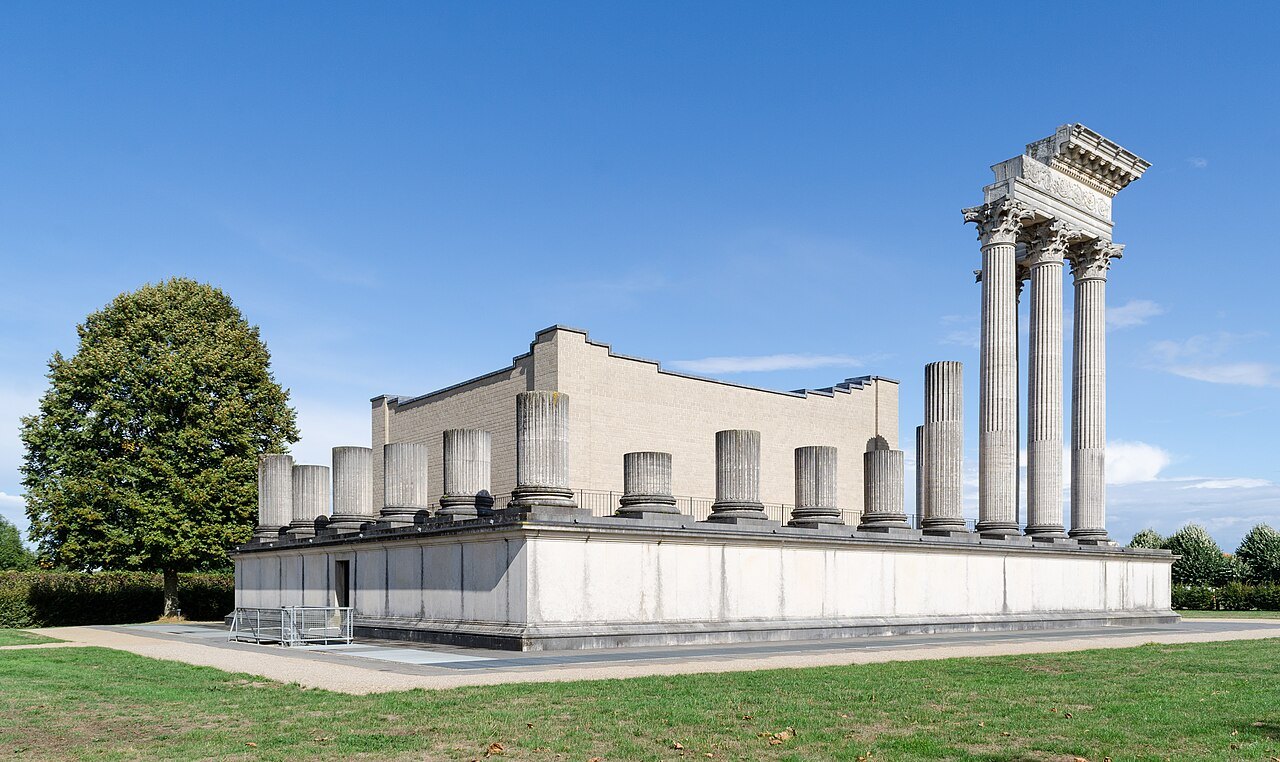
Official route information includes LVR Archaeological Park Xanten and the Roman Museum, along with sites in Rindern. Xanten can therefore make a useful starting or finishing focus for a stage. However, it is not a brief photography stop if you want to explore the park or exhibition properly. Check current visiting arrangements and give it a separate block of time.
Not every building beside Via Romana is Roman. The modern route also connects later urban history, landscape and other cultural destinations. A castle or garden does not become an ancient structure through its position on a themed route. Read the information at each site and keep its historical period distinct.
Put riding and visiting on the same clock
For an example using invented figures, 32 kilometres at your own relaxed riding speed of 14 kilometres per hour already requires more than two hours of movement. Add orientation, drink stops and a two-hour museum visit, and the day becomes considerably longer. Travel to the start, parking the bicycle and returning to accommodation are still absent from that calculation.
With limited experience of day stages, choose a shorter ride and one main visit. Additional places remain optional. A small section that you actually understand is more informative than several closed entrances reached simply because a route line passes them.
Make the return connection specific
A line from one town to another is not a circuit. Returning needs a rideable connection, confirmed bicycle transport or retracing the route. Do not assume a station automatically offers a direct service to the starting point. Transfers and bicycle capacity can alter the plan.
Save the current route and an overview map. If saved information conflicts with a local closure, conditions on the ground take priority. Two larger place names also help with orientation by making the direction of a diversion understandable.
Return to riding mode after the visit
After sitting or exploring an exhibition, check the bicycle briefly: luggage secured, lock put away and direction established. Start steadily instead of trying to recover the time spent visiting through a sudden burst of speed. The historical focus should enrich the stage rather than produce a race for the last connection. If the visit proves more absorbing than expected, shorten an optional riding section while the return plan is still straightforward.