
A phone can serve as map, directions and notebook on a cycle ride. Problems arise when every uncertainty is resolved on the screen while moving. Preparation reduces that distraction: inspect the route, prepare data for use without reception and know the main places. A mount alone does not turn a phone into dependable navigation.
A route and a map are different things
A saved line may be available while the surrounding map cannot load. Check what your application's offline download actually contains. Komoot, for example, distinguishes functions involving saved routes, maps and navigation; availability can depend on unlocked regions. Use the current help for the application you actually use.
Before riding, test with mobile data off whether the route and surrounding area remain visible. Move the map slightly beyond the planned line too. A diversion needs precisely that surrounding information. For a cross-border outing, cover both sides rather than only the starting place.
Retain a geographical plan
Remember the start, turning point and two larger settlements. At a junction, this helps establish whether the suggested direction broadly fits the plan. Spoken instructions can reduce looking down, but they replace neither traffic signs nor your assessment of the situation. Keep surrounding sounds audible.
If the device proposes an unexpected recalculation, do not immediately follow every arrow. Stop safely and check whether the new route includes another surface, a closed connection or an unwanted extension. The quickest calculated return to the line is not always the suitable answer.
Test mounting and power beforehand
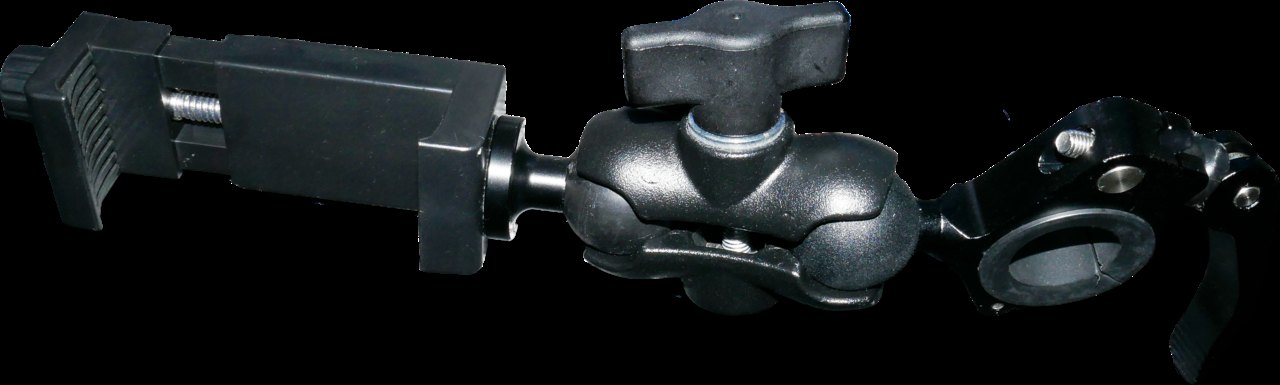
The mount must fit the device, remain secure and leave brakes and steering unobstructed. Try it first on a short familiar ride. Neither phone nor charging cable should swing loose or reach moving components. Follow device and mount manufacturers' instructions concerning weather and mechanical stress.
Begin with sufficient charge and a realistic reserve. A continuously bright screen can use more energy than occasional map checks. A power bank helps only with a compatible cable and secure storage; it does not make an overheated or soaked arrangement sensible. Keep important return information in a short separate note. If the phone fails, the starting place, next connection and an available contact remain known. The aim is to use the device at useful moments rather than allowing its display to become the main subject of the ride.