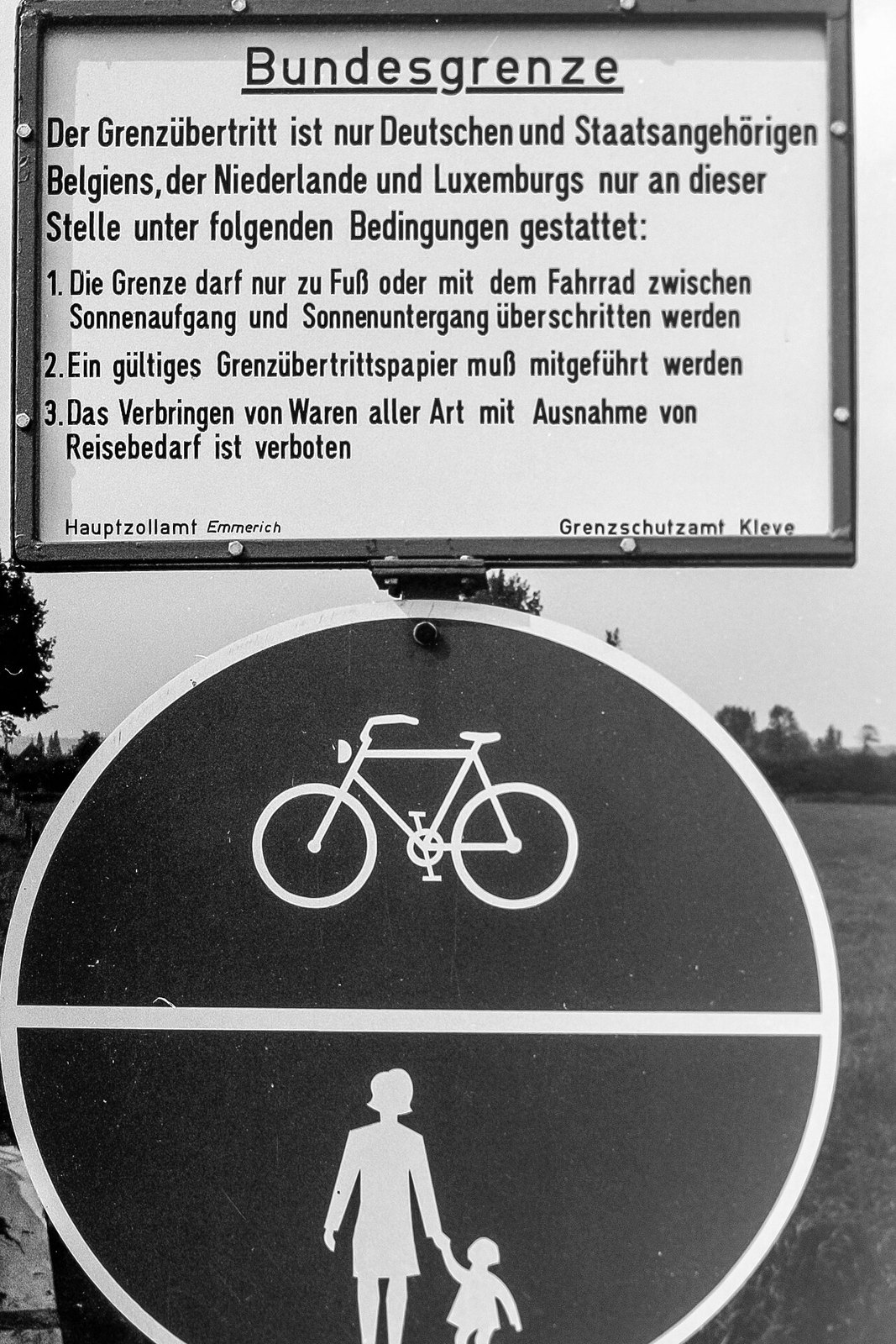

Dutch destinations are often close to the Kleve district. Small planning gaps can nevertheless arise during a day trip: the wrong entrance, an unchecked bus connection or assumed ticket validity. Treat crossing the border as part of a complete journey. Proximity makes choosing a destination easier but does not replace checking the particular day.
Name the destination precisely
Use the official name and visitor address. A museum's postal address may differ from its car park or entrance. A park pin may lead to the centre rather than a usable approach. Compare the map with the operator's arrival guidance.
Keep the Dutch spelling even when reading a German description. Names such as Huis Bergh or Vrijheidsmuseum are then easier to recognise in journey planners and on signs. If several places share a name, compare municipality and address before saving a route.
Check public transport on both sides
The Dutch planner 9292 supports searches by origin, destination and departure or arrival time. For the German section, use the relevant current transport association or operator planner. If the systems show different results, check the date, stop and notices for the line concerned.
A result ending at a station is not automatically a complete connection to the destination. Add the bus and walking section, then check the return separately. The last useful departure may depend on a connection across the border. A late departure is of little help if the necessary onward service has already finished.
Establish ticket validity for every section with the responsible provider. A German ticket is not automatically valid everywhere because the distance is short; some offers may conversely include specific cross-border arrangements. Use current product information rather than an assumption. Purchase, activation and any required check-in or check-out should also be clear before travelling.
For example, consider a journey reaching Nijmegen before continuing by another mode. Do not only search the two legs separately: compare the arrival of the first with the departure of the second. Establish whether the interchange is in one place or requires walking between stops. Repeat the same check in reverse for returning. If the margin is only a few minutes, seek an earlier or simpler connection rather than hoping every leg fits exactly. A slightly longer planned journey may be more useful than the quickest result when it leaves a workable interchange.
Drive to the correct visitor approach
Enter the designated visitor car park where the operator identifies one. On arrival, check payment, permitted duration and signs. A saved address does not override current restrictions. Allow time to walk from the vehicle to the entrance, particularly for a booked start.
If roadworks affect the approach, follow current information rather than an old description. A diversion may require arriving from another direction. Check the final access road as well as the route to the town. For personal questions about required travel documents, consult current official information relevant to your circumstances; an outing article cannot settle that universally.
A simple framework is enough
Choose one main destination and at most one nearby optional addition. A border on a map is no reason to string together as many places as possible. Check language and current visiting arrangements directly with the destination. English or German information may exist, but do not assume it applies to a particular guided activity.
Save the address, return connection and an appropriate map area. If the group separates, agree an exact meeting point. Some margin for food, orientation and unexpected waiting makes the day calmer. The essential point is that returning still works if you omit an optional stop or finish the main visit earlier.
Agree beforehand what happens if there is a disruption. The group might omit the second place, shorten the stay or return to a confirmed starting point. Everyone needs to know which part of the day is essential and which is optional. Save the important information in a language you understand confidently, keeping original place names alongside it. This makes questions on the ground easier and reduces the chance of an automatic translation turning a stop name into a different destination. Review the revised return before committing to an extra visit.