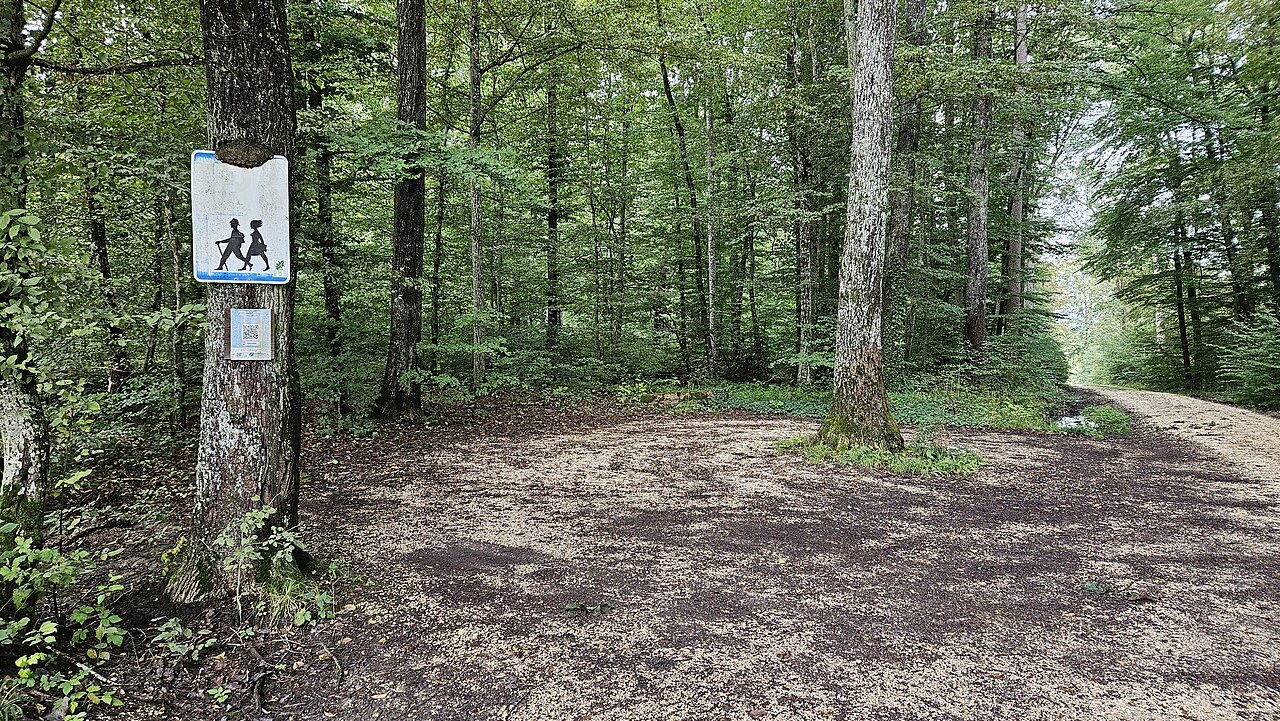
A car park or stop is more than a practical footnote. Your starting point determines how you enter a site, how far away the first break is and whether returning remains straightforward. Choose it once you know which area you want to visit. The point nearest a place-name pin is not automatically the appropriate entrance.
Work backwards from the entrance
First locate the visitor entrance in official information. Large sites may have several approaches with different seasonal availability or access to different areas. Mentally trace the route backwards from the entrance to the car park or stop. This reveals whether a substantial connection remains between them.
Kleve's tourism information brings together arrival and parking details. Use local guidance of this kind rather than a random map pin. Still check signs on arrival. Charges, time limits or temporary restrictions may determine whether a particular place works and are not overridden by a general description.
Keep the return within the same picture
On a circular walk, returning to the start is explicit. During a town or museum visit, that connection can be easier to lose. An exit on the far side may be nearer something interesting but farther from your car or bus. Check whether re-entry would be possible later or whether you would need to walk around the outside.
Save the exact starting position with a clear name. A photograph of the parking-area sign or a map marker helps where several spaces look alike. Record the entrance used as well. Remembering a tree or a general street view is less dependable in darkness or rain.
A small extra walk may be worthwhile
The shortest possible approach is not always the most comfortable. A slightly longer surfaced route may suit better than steep steps or an awkward crossing. The group's needs matter more than one distance figure. Also establish whether everyone can return together or whether a clearly agreed meeting point is necessary.
If the intended car park is full, choose a permitted alternative and reassess the plan. Do not leave a vehicle in an entrance or unsuitable area to preserve the original schedule. Starting later or shortening the visit is easier to manage than a starting point whose use or return arrangements are problematic from the outset.