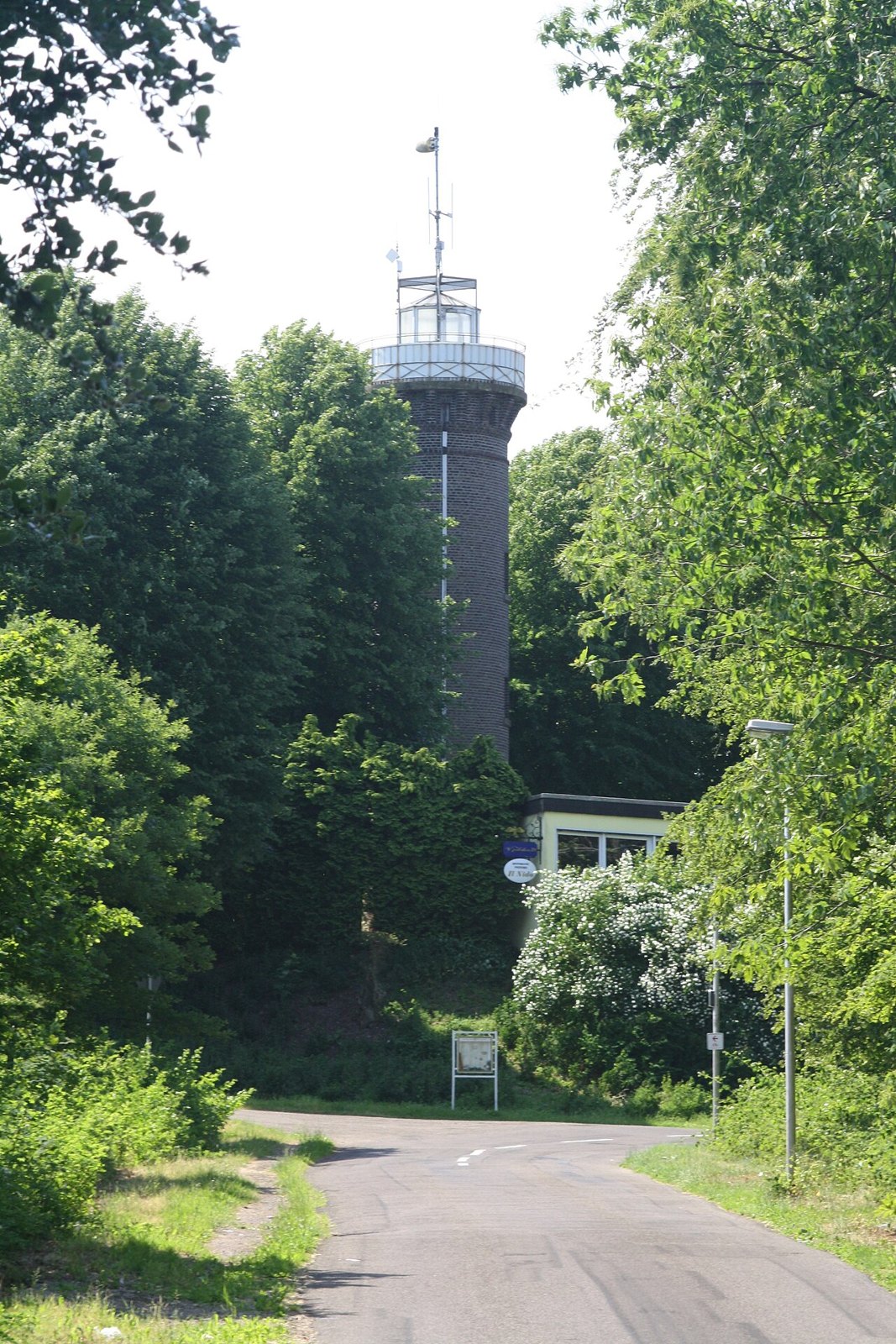
Klever Berg is close enough to appear a small addition to a town visit on the map. In practice, the climb, woodland paths and possibly the observation tower's stairs combine. Treat the hill as a separate part of the day. Someone already tired after walking around town needs a different circuit from a visitor starting fresh there.
Separate reaching the hill from climbing the tower
Kleve's tourism information links tower access to the restaurant's opening and states that the tower is not accessible without barriers. A walk in the surrounding area therefore differs from a promised tower ascent. Check current opening arrangements if the tower view is the main reason for travelling.
Without confirmed tower access, the selected woodland route should already be worthwhile in its own right. Choose a clear start and return connection instead of searching for an improvised extension on arrival. Particular mobility needs require checking the gradient, surface and possible steps of the actual approach.
Start steadily rather than arriving exhausted
On an ascent, use a pace that still allows comfortable conversation. Pause before the group becomes stretched out. A child who moves quickly on level ground may need another pace uphill. Shared planning should accommodate whoever needs most time on that section.
If a tower visit is available, it remains an additional choice. Anyone uncomfortable on narrow or elevated stairs need not join. Agree on an unmistakable meeting place below without blocking an entrance or restaurant operations. The group can then use different options without losing contact.
Give the view some orientation
In clear weather, do not immediately search for the most distant details. Identify the nearby town and woodland first. Which direction leads towards the Rhine, and which towards your starting point? A saved offline map helps when a presumed church tower cannot be identified confidently.
The descent deserves as much attention as the climb. Wet leaves, roots and slopes become easier to overlook when tired. For a later bus or train, include the distance from the woodland back to the stop. A short hill walk works well when it ends with a suitable reserve of time and energy; a small kilometre total proves neither ease nor difficulty. Recording where the main climb began will help you estimate a future approach more accurately than remembering only how near the hill looked from the centre of town.