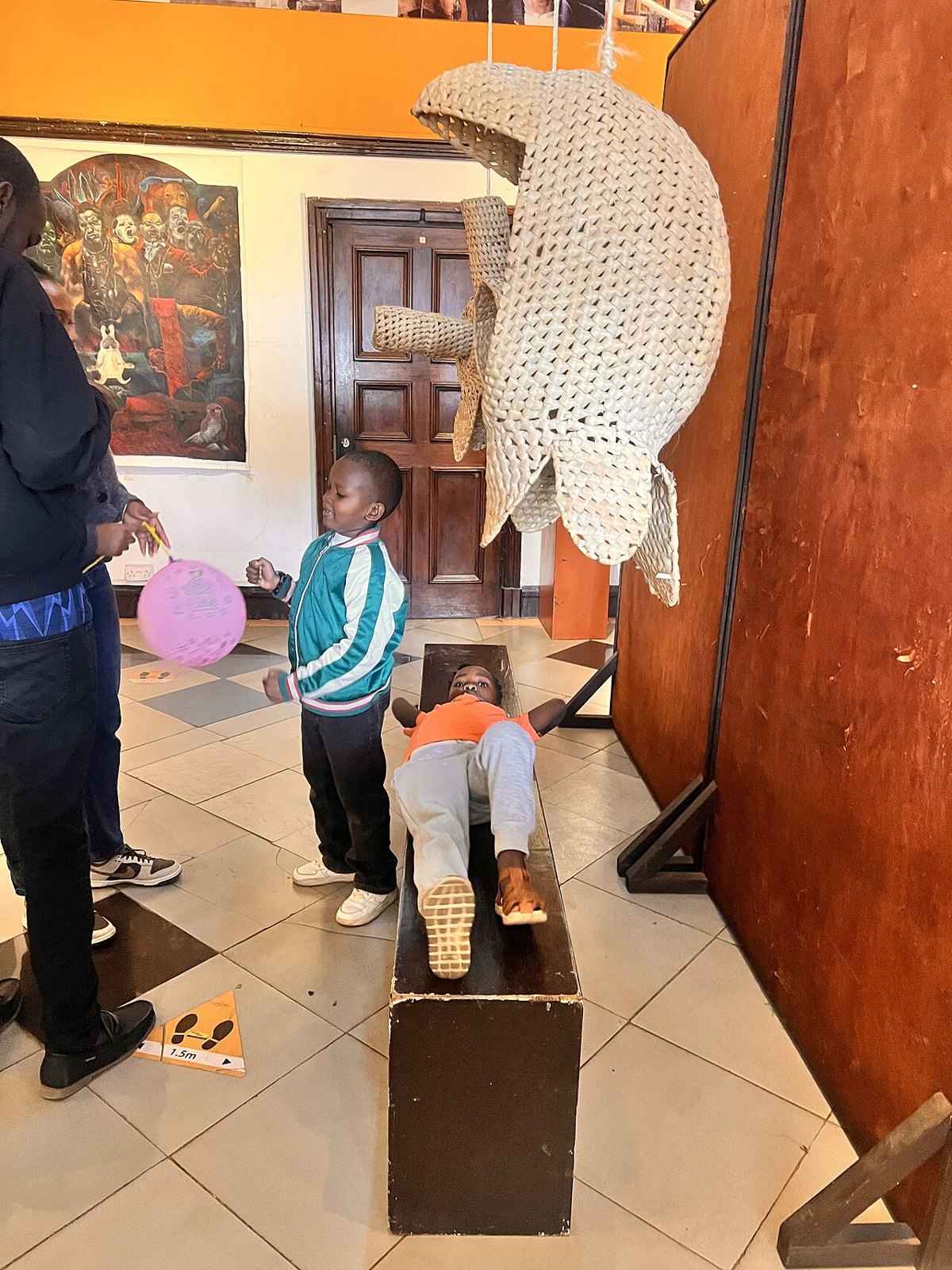
A museum visit with children rarely suffers from having too few exhibits. More often, it is unclear where to begin and when to stop. Plan a limited section and one simple question. This might concern contrasting materials, an everyday activity or an object whose function initially seems puzzling. The task should encourage looking rather than test existing knowledge.
Choose a suitable level before travelling
Read official family information and examine what the activities actually involve. An interactive area may provide a useful starting point, but rules and possible restrictions still apply. Check whether an event needs booking and suits the relevant age group. Do not confuse a regularly accessible exhibition with a workshop offered on one date.
Xanten Archaeological Park describes interactive stations in its Roman Museum and further outdoor activities. This combination supports different visits but also requires a choice. Indoors may be the focus on a rainy day; a short visit need not include the playground, reconstructed buildings and museum all together.
Three objects rather than an entire section
First choose three things with an obvious connection or clear differences. Let the child describe the first object. Which shape stands out, what might it be made from, and what use do they imagine? Then read the explanation. An incorrect guess is a useful starting point when checked together.
For the second object, the child can ask a question. With the third, they decide which of the three is most memorable. This creates a small complete sequence. Adults need not read every label aloud. One understandable relationship is often more helpful than several names and dates in succession.
Avoid questions for which you will accept only one answer. Asking what they notice first creates more possibilities than demanding the correct meaning immediately. If an object attracts no interest, change once rather than keeping the group in front of it for a long time.
Distinguish participation from unrestricted touching
A designated interactive station can be used differently from an original exhibit. Explain that boundary specifically at the location. Saying that this handle may be turned is clearer than a general instruction to be careful in the museum. Wait when another family uses the station and leave room for the next visitors afterwards.
Movement breaks belong in suitable places away from sensitive displays. Check rules for eating and drinking. A break can be brief, but it should genuinely interrupt the activity. Do not immediately fill it with another learning question.
Make the ending clear
Explain that one selected object remains and the visit will then finish. Do not extend that ending repeatedly because adults keep discovering more. On the way back, each child can name or sketch one impression. If they want to return, note the question still open. A manageable first visit creates a better foundation than feeling obliged to endure an entire collection.