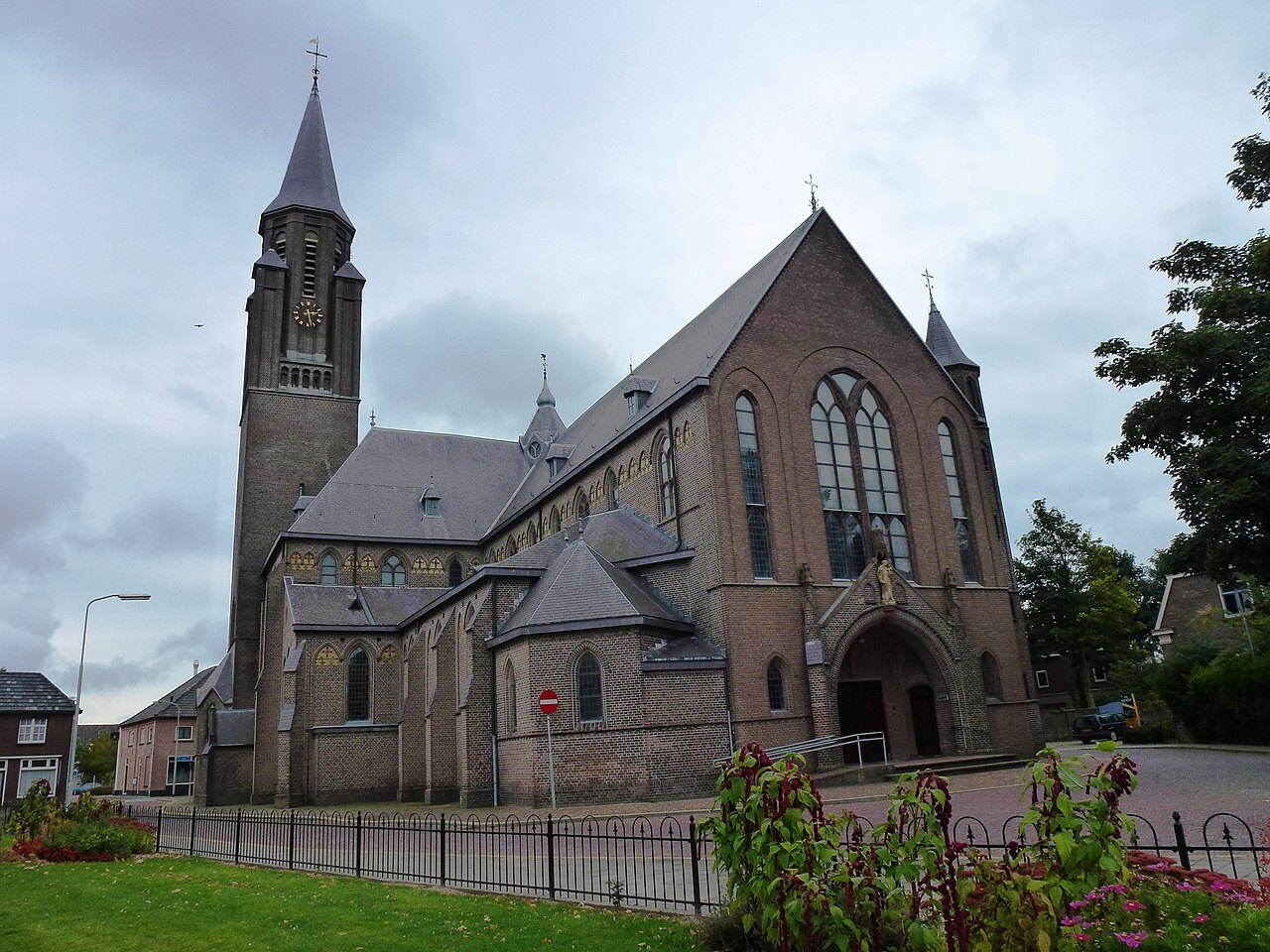
Millingen aan de Rijn suits a day centred on the river itself. You do not need to take a ferry or add a long nature walk to give the visit a purpose. A public river access point, time to observe and a short stroll through the village provide a clear focus. Nearby Millingerwaard is a possible addition, but it requires a separate decision about paths and conditions.
Watching vessels rather than collecting distance
Choose a secure position away from the edge and watch the same stretch for a while. Differences become easier to notice: a loaded vessel sits differently in the water, an approaching ship changes the perspective, and waves reach the bank after a delay. A sequence of photographs taken from changing locations often reveals less about these processes than waiting quietly.
With children, set a specific task, such as comparing two types of vessel or describing the distance between a bow and the shore. Keep everyone on the firm path while doing so. Rocks, slopes and low riverbank areas do not make suitable play spaces. The Rhine remains a working navigation route even when its surface looks calm.
Finding your bearings in the village
A Tourist Information Point operates within Tingieterij de Tinnen Roos, also identified as the Gelders Maakmuseum, on Zalmstraat. The regional tourism website lists local information and route maps there. Check current opening days if you intend to rely on a visit: this is an information point inside another business.
A village walk adds a different scale to the open riverside scene. Notice the transitions between residential streets, embankment and public access points. Not every road heading towards the water ends at a freely accessible viewpoint. Return to a known access point rather than trying to shorten the journey through a private yard.
Check the nature area and return separately
Millingerwaard combines nature restoration with space for the river. Its current area map and Staatsbosbeheer guidance should determine a visit there. Paths may differ substantially from surfaced sections in the village. Choose an identified entrance and allow for returning the same way if a circular connection is not clearly shown.
A ferry crossing is an optional activity, rather than a dependable assumption for getting home. Confirm operation and the final return service with the operator. Planning without a ferry allows you to finish on your original bank whenever you choose. Millingen then remains a manageable riverside outing instead of a journey dependent on an unchecked connection.