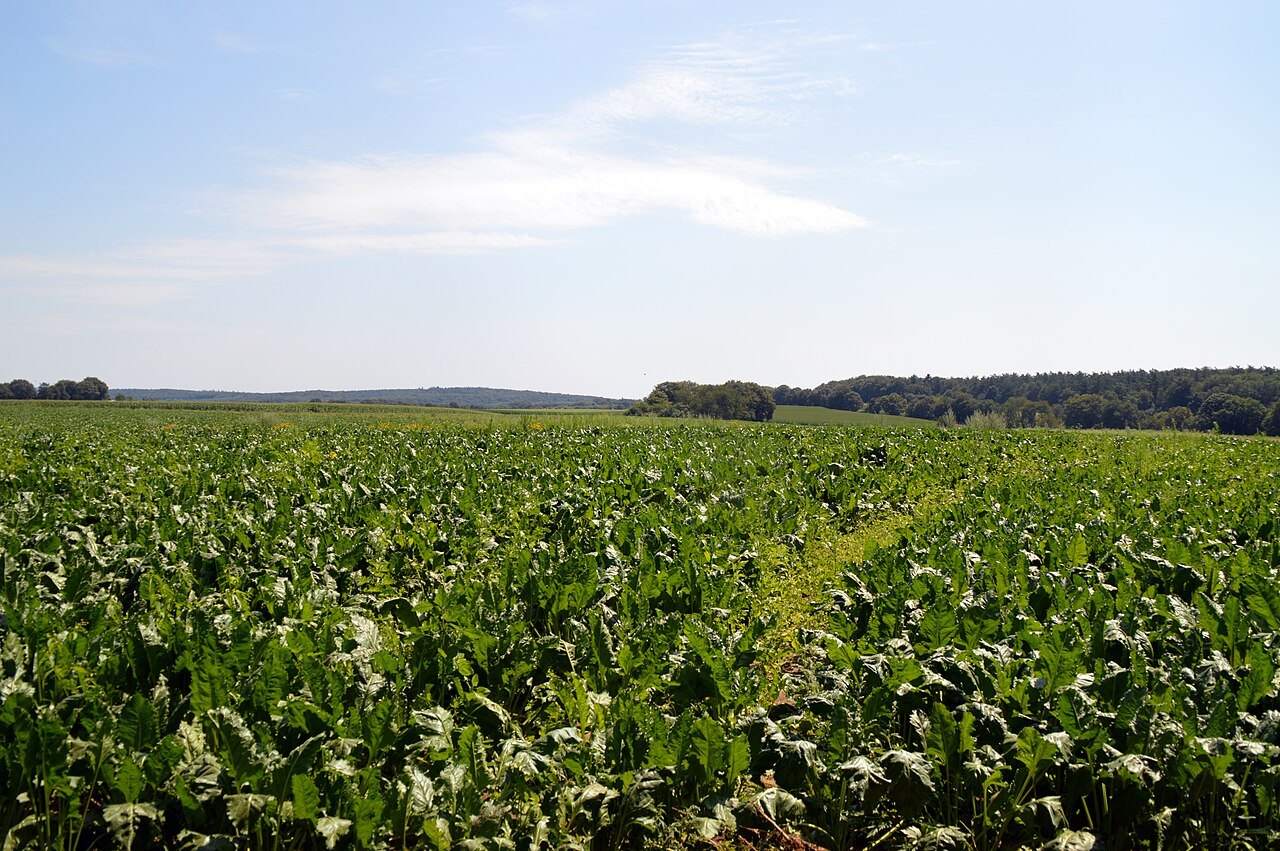

Groesbeek can surprise visitors who expect only level paths near the Lower Rhine. Its surroundings combine open fields, wooded heights and repeated climbs. Before a day trip, decide what sort of walking you want: a village visit with a short landscape view, a designated hike or a day focused on history. These options cannot be compared simply by the number of kilometres involved.
The hills are part of the explanation
Natuurmonumenten describes nearby Sint-Jansberg as a ridge formed during the Ice Age. A glacier's weight and movement created a push moraine. That relationship helps explain the region's hilly landscape. Sint-Jansberg is a separate nature area in the wider surroundings, however, not a general name for every hill in the centre of Groesbeek.
If you want to include it, choose a specific route and an appropriate starting point. A short village stroll and a woodland walk at Sint-Jansberg require different preparation. A map should help you recognise not only the distance but also where the route climbs and where an earlier return might be possible.
Open views and sheltered paths
Across open ground, sightlines can extend far, while woodland directs attention towards nearby forms. Compare the two without trying to collect every viewpoint. One clear outlook after a climb can explain the landscape better than several hurried photographic stops beside a road.
In wet weather, select a route whose gradients and surface suit the group. Going downhill may feel less comfortable than climbing. Considering only the effort of ascent can underestimate the return. With children, use brief observation tasks during planned breaks, such as locating the boundary between farmland and forest.
Give history its own attention
Visit Nijmegen publishes a walk through the former Groesbeek landing area. It connects landscape with the fighting of 1944 and subsequent wartime events. The Canadian War Cemetery is a place of remembrance rather than an ordinary lookout. If you visit, allow for quiet reflection and keep photography and conversation considerate.
A themed route like this requires attention to explanations. It should not be added casually to an already full hiking day. Choose either this emphasis or a primarily landscape-based walk, leaving the other subject for another visit.
Finish where the return is manageable
Save your return connection and include the walk from the final stop to the bus stop or vehicle. A break in the village can be particularly useful after a longer exposed stretch. Check the actual facilities rather than expecting refreshments at every woodland starting point.
End with a simple comparison: which changes in elevation did you experience directly, and which only became clear on the map? Connecting physical experience with an explanation of the landscape makes Groesbeek rewarding. The strength of the day lies in a coherent focus, not in the greatest possible number of stops between village, forest and memorial.