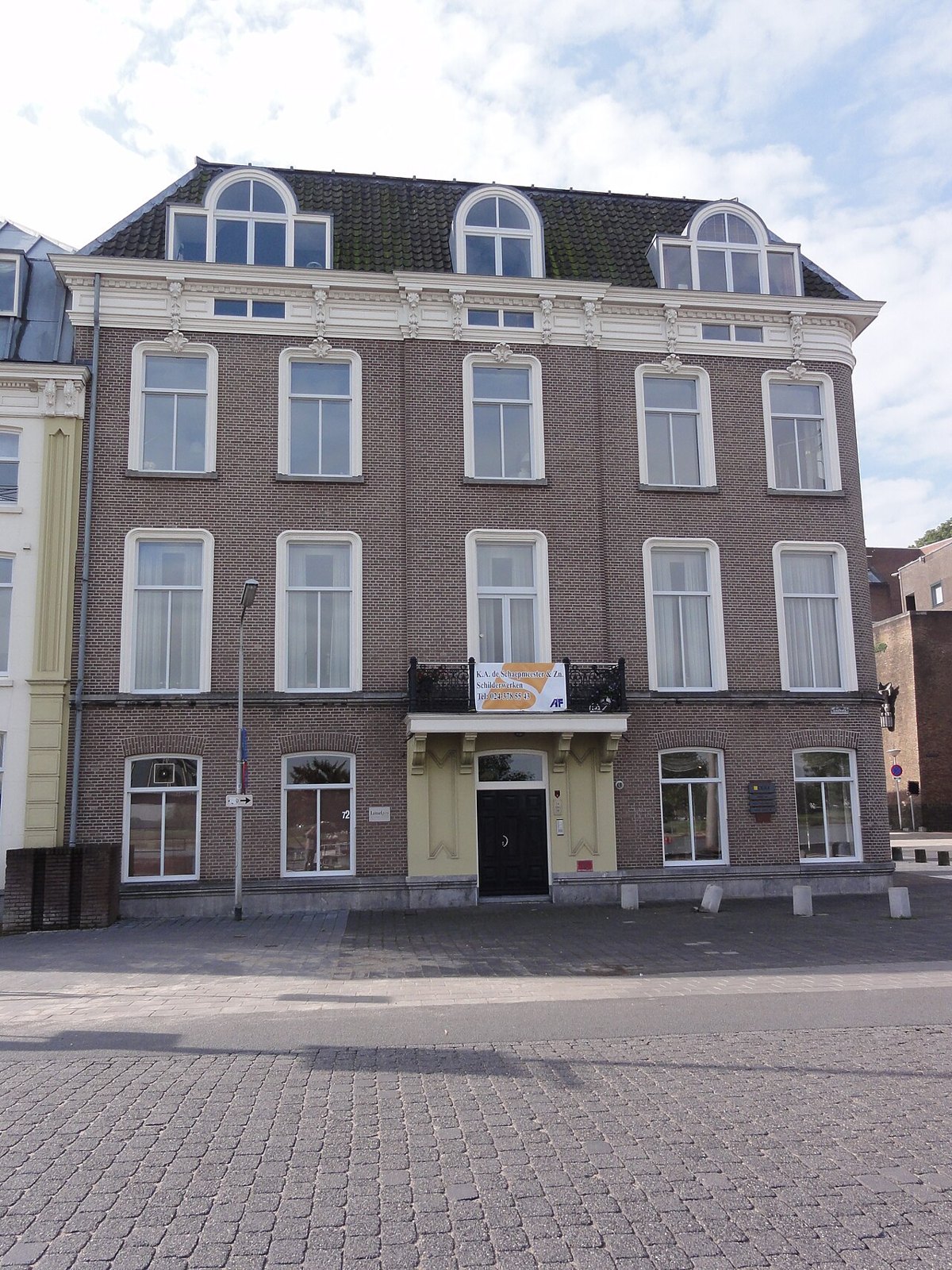
Nijmegen offers enough for several days. For a trip from Kleve, the useful question is therefore not how much can be squeezed in, but which combination makes a coherent day. The centre, the Waalkade and the Valkhof form distinct spaces that can be compared well. A museum or a lengthy shopping stop substantially changes the available time, however. Choose a main interest before travelling and keep a second idea as an optional addition.
Give the day a clear travel frame
Check a current connection from Kleve to Nijmegen for your travel date, and check the return too. Do not copy departure times from an older excursion account. With a bus journey, the stop actually served matters; with a car, the walk from parking to your first destination matters. Only then can you judge the time available in the centre.
Save a legible town map and mark your arrival point, intended finish and return route. If booking something with a fixed admission time, do not place it immediately after your expected arrival. A small delay should not derail the whole plan. Places that lie close together also do not necessarily have equally comfortable routes between them.
Upper town first, or the water?
Visit Nijmegen links the Stevenskerk, Waalkade and Valkhofpark among other places in its town walks. Adapt the sequence to your interests and energy. For architecture and townscape, begin in the centre and go down to the river later. If you prefer starting at the water, deliberately allow for the subsequent return towards higher ground.
At the Stevenskerk, first look at the surrounding streets and open spaces. Entering the church or climbing a tower is a separate activity with its own access conditions. An attraction mentioned on a walking route is not automatically an included indoor visit. An exterior walk already reveals how the building shapes the skyline and helps people orient themselves in the centre.
At the Valkhof, the position above the Waal becomes the subject. The tourism account places the site within several historical periods. Avoid casually labelling every visible remnant Roman. Read the explanation for each structure and distinguish ancient use of the site from later buildings that survive there.
Use the Waalkade for observation as well as rest
At the Waalkade, the town opens towards the river. Allow time to consider shipping, banks and bridges together. A break here need not be merely an interval between compulsory attractions. The transition from confined streets to an open water surface is an important part of the visit in itself.
Photograph from safe public areas and consider other users. A quiet image usually depends on choosing a position carefully rather than obstructing a connection. In wind or rain, the exposed riverside can feel considerably less comfortable than the centre. A shorter stay then makes sense even if the map suggests a long walk along the bank.
Two complete kinds of day
For a first town visit, combine an area around the Stevenskerk, a chosen part of the Valkhof and a break at the Waalkade. This creates a spatial relationship, not a guarantee of seeing every interior. Leave time between them to notice a street properly or investigate an unexpected small detail.
If a museum is your priority, make it the main part of the day and add only a short outdoor section. With limited mobility, ask specifically about routes with fewer steps and avoid repeatedly switching between riverside and higher town. Finish somewhere with straightforward access to the journey home. Missing an optional stop is no loss when the main interest has received the time it needed.